|
| Thomas Hobbes |
Thomas Hobbes
(1588–1679). Of Man, Being the First Part of Leviathan.
Vol. 34, pp. 313-322 of
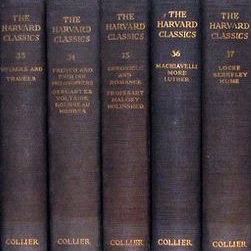
The Harvard Classics
Dreams and their
causes interested Hobbes. Without superstition, the philosopher
weighed the evidence of ghosts, goblins, and witches.
(Hobbes born April
5, 1588.)
Chapter
II
Of
Imagination
THAT when a thing lies
still, unless somewhat else stir it, it will lie still for ever, is a
truth that no man doubts of. But that when a thing is in motion, it
will eternally be in motion, unless somewhat else stay it, though the
reason be the same, namely that nothing can change itself, is not so
easily assented to. For men measure not only other men but all other
things, by themselves; and, because they find themselves subject
after motion to pain and lassitude, think everything else grows weary
of motion, and seeks repose of its own accord; little considering
whether it be not some other motion wherein that desire of rest they
find in themselves consisteth. From hence it is that the schools say
heavy bodies fall downwards out of an appetite to rest, and to
conserve their nature in that place which is most proper for them;
ascribing appetite and knowledge of what is good for their
conservation, which is more than man has, to things inanimate,
absurdly.